
Many SME owners believe strategic advice is something businesses seek when things are going badly.
In reality, the highest-performing organisations seek advice while they’re succeeding.
Why?
Because external advisers don’t simply solve problems; they challenge assumptions.
Common mistakes include:
Confusing experience with strategy
Years in business create valuable operational knowledge, but they don’t necessarily improve strategic decision-making.
Markets change.
Customers change.
Competitors change.
Successful businesses regularly question whether yesterday’s assumptions still hold true.
Treating advisers as compliance partners
Many SMEs work closely with accountants, lawyers and financial advisers.
These relationships are essential but they often focus on compliance rather than competitive advantage.
Questions like:
- Are we building the right capabilities?
- Are our leaders aligned?
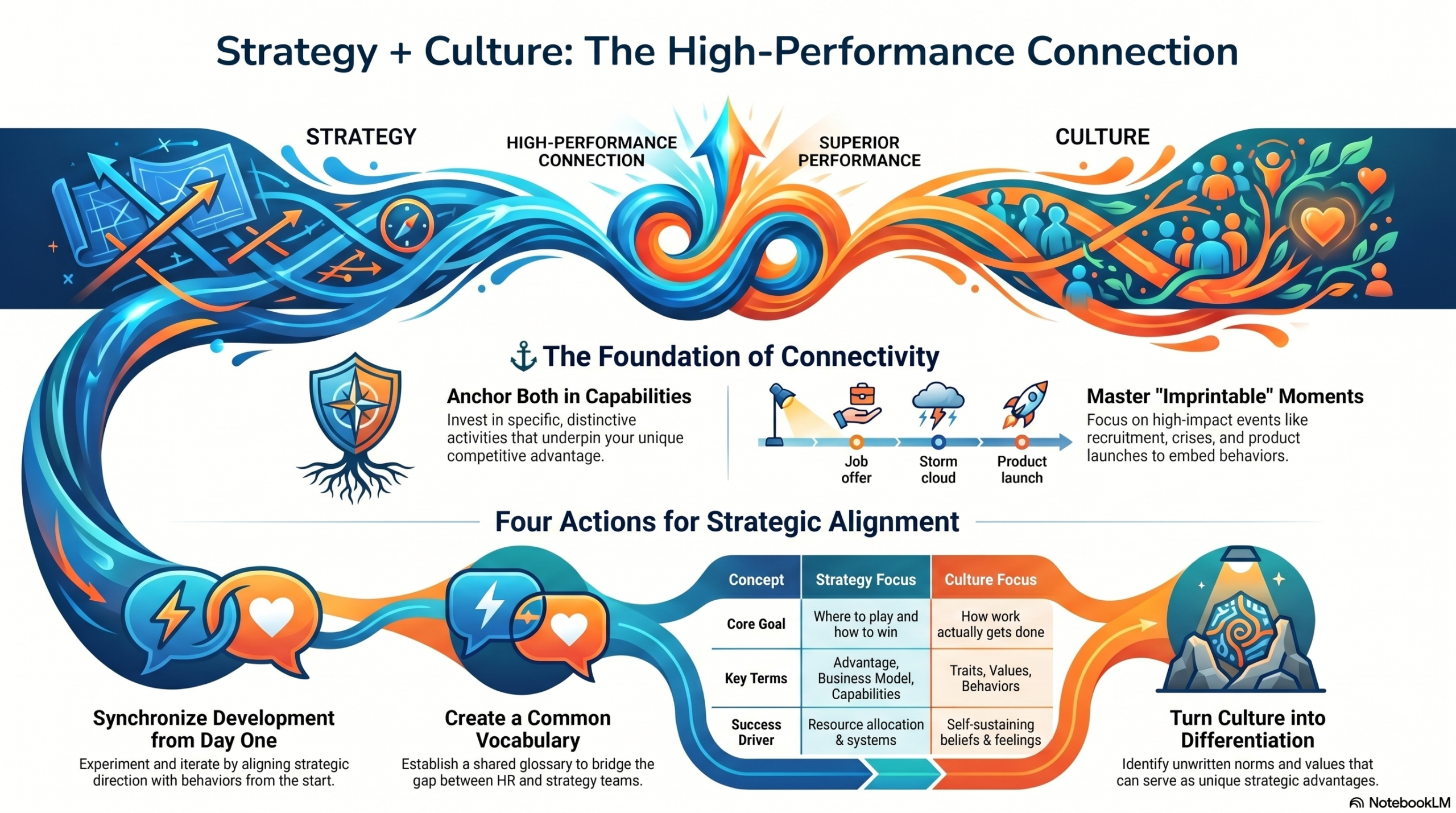
- Is our culture supporting execution?
- Are customers experiencing what we believe they’re experiencing?
often remain unanswered.
Waiting until growth stalls
By the time performance begins to plateau, underlying issues have usually been developing for years.
Leadership capability.
Organisational alignment.
Customer experience.
Decision-making.
Operational systems.
These rarely fail overnight.
The Cost of the Strategic Advice Gap
The consequences extend well beyond slower growth.
Without strategic guidance, organisations often experience:
- competing priorities across leadership teams
- inconsistent decision-making
- investments that don’t generate expected returns
- technology implemented without business alignment
- declining employee engagement
- customer experience that varies across teams.
Gallup has consistently found that managers account for approximately 70% of the variance in employee engagement, demonstrating how leadership capability directly influences organisational performance.
Similarly, Deloitte’s research into high-performing organisations highlights that businesses combining strong leadership, culture and strategic alignment consistently outperform those focusing on operational efficiency alone.
The common thread?
Performance is rarely limited by effort.
It’s limited by alignment.
What This Means for Australian Organisations
Australian SMEs operate in an environment that rewards adaptability.
Labour shortages continue to affect workforce planning.
Artificial intelligence is changing how businesses operate.
Customers increasingly expect personalised, seamless experiences.
Regulatory requirements continue to evolve.
In this environment, strategic advice should no longer be viewed as an occasional investment.
It should become part of how leadership teams make decisions.
For businesses employing between 20 and 500 people, this means asking different questions:
- Do we have clarity on where we’re heading over the next three years?
- Are our people capable of delivering that strategy?
- Are leadership behaviours reinforcing the culture we want?
- Are customers experiencing consistent value?
- Do our systems support growth or slow it down?
These questions shift the conversation from operational management to organisational performance.
Turning Advice into Capability
The most effective organisations don’t become dependent on advisers.
They become better decision-makers because of them.
Practical actions include:
1. Create regular strategy review cycles
Move beyond annual planning.
Quarterly strategy reviews help organisations adapt before problems emerge.
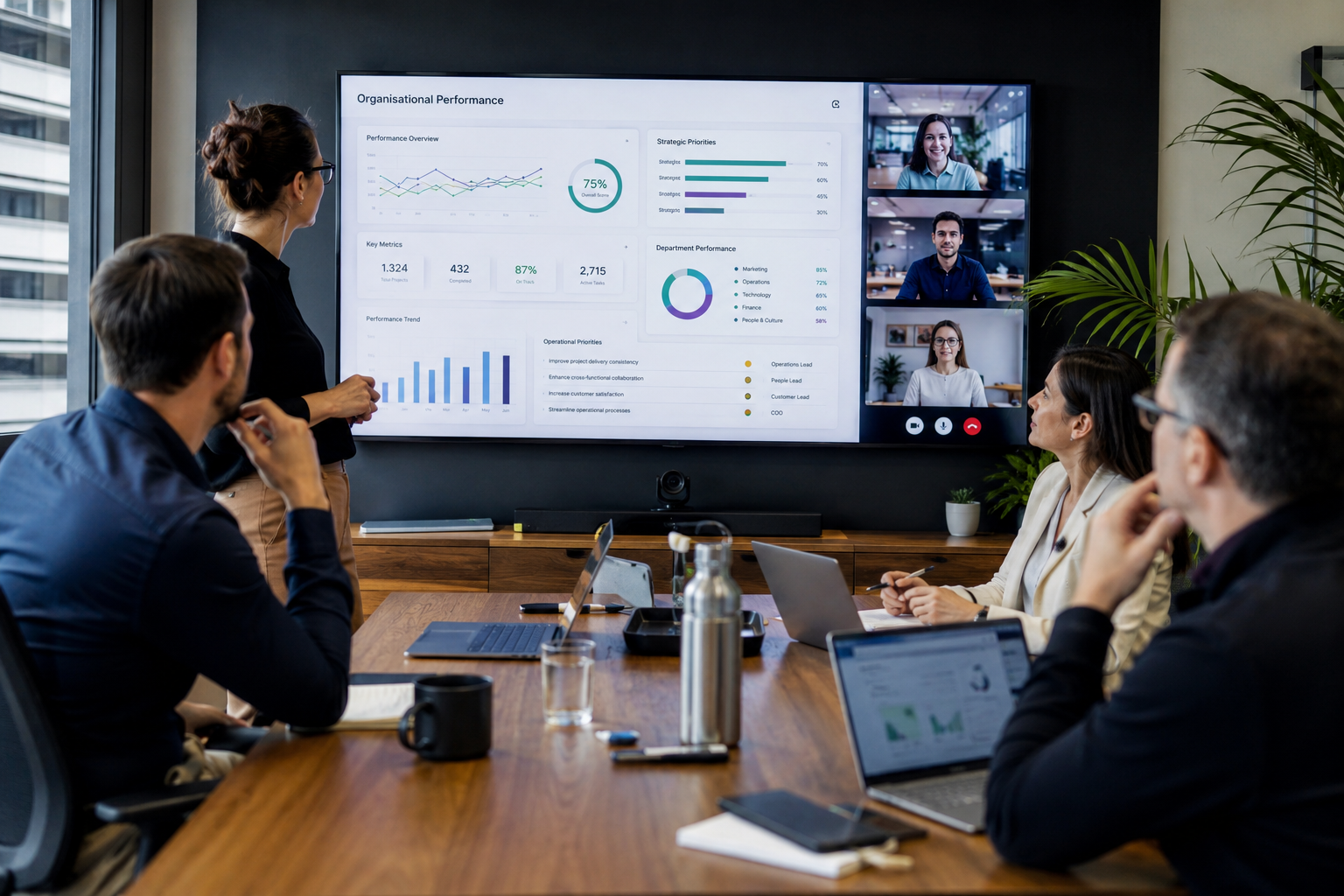
2. Measure organisational capability; not just financial performance
Revenue tells you where you’ve been.
Capability indicates where you’re likely to go.
Assess leadership, culture, customer experience and workforce capability alongside financial metrics.
3. Challenge assumptions
Invite independent perspectives that question accepted thinking.
Growth often comes from changing decisions rather than increasing effort.
4. Align strategy with execution
Even excellent strategies fail without consistent execution.
Ensure every leader understands:
- organisational priorities
- customer expectations
- capability requirements
- performance measures.
5. Invest in leadership capability
Leadership is no longer about supervision.
It’s about enabling organisational performance.
The stronger the leadership team, the fewer strategy decisions rely on one individual.
A Different Way to Think About Strategic Advice
Many business owners see strategic advice as a cost.
High-performing organisations see it differently.
They view it as an investment in better decisions.
The businesses that thrive over the next decade won’t necessarily be the biggest, the oldest or even the most efficient.
They’ll be the organisations that continuously improve how they think, how they lead and how they execute.
Closing the strategic advice gap isn’t about bringing in someone with all the answers.
It’s about creating a leadership team capable of asking better questions—and acting on the answers.