
The talent crunch Australian SMEs are experiencing is no longer just a hiring problem. It is becoming a major business performance issue.
Across Australia, small and mid-sized businesses are struggling to attract skilled workers, retain experienced employees, and maintain operational stability. At the same time, leaders are managing rising costs, changing employee expectations, and increasing pressure on productivity.
For many SMEs, the result is operational fatigue.
Teams are stretched. Managers are overloaded. Customer experience becomes inconsistent. Growth slows because businesses simply do not have the capability capacity to keep up.
And while many organisations continue focusing heavily on recruitment, the businesses performing best are taking a much broader approach.
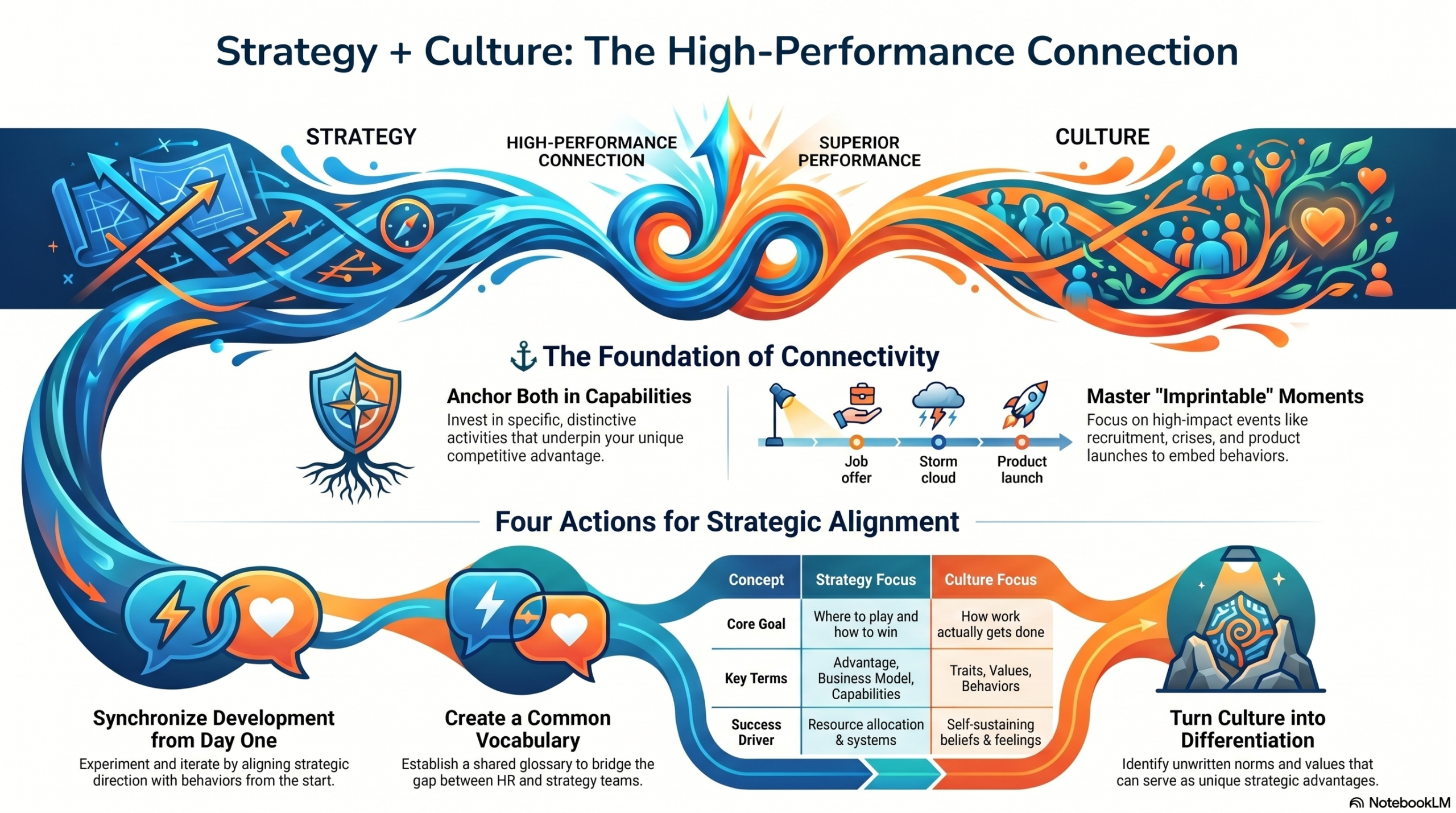
They are strengthening leadership capability, improving team effectiveness, and building workplaces where people actually want to stay.
Why the Talent Crunch Australian SMEs Face Is Different
Large organisations usually have bigger recruitment budgets, stronger employer brands, and more workforce flexibility.
SMEs often do not.
That makes the talent crunch Australian SMEs face far more operationally disruptive.
When one key employee leaves a smaller business, the impact can be immediate:
- productivity drops,
- delivery slows,
- internal pressure increases,
- and customer relationships can suffer.
Many Australian businesses are now dealing with:
- longer recruitment cycles,
- higher salary expectations,
- burnout risks,
- capability gaps,
- and disengaged employees.
According to Jobs and Skills Australia, workforce shortages continue across industries including healthcare, technology, logistics, construction, and professional services.
This pressure is forcing SMEs to rethink how they attract and retain talent.
Recruitment Alone Will Not Solve the Problem
One of the biggest mistakes organisations make is treating workforce shortages purely as a recruitment issue.
In reality, recruitment is only one part of the challenge.
Many employees leave because of:
- poor leadership,
- unclear expectations,
- inconsistent communication,
- weak operational systems,
- limited career development,
- or ongoing workplace stress.
Employees notice operational dysfunction quickly.
They notice when priorities constantly change.
They notice when leadership lacks alignment.
They notice when teams are overwhelmed.
And they notice when organisations fail to invest in capability development.
That is why businesses relying only on recruitment often continue experiencing high turnover.
The underlying organisational issues remain unresolved.
Employee Retention Is Now a Competitive Advantage
Retention is becoming one of the most important performance indicators for Australian SMEs.
Replacing employees is expensive. However, the hidden operational costs are often even greater.
High turnover can lead to:
- lower productivity,
- inconsistent customer experience,
- leadership fatigue,
- reduced morale,
- and slower decision-making.
Over time, this creates a reactive workplace culture.
Strong employees often absorb additional pressure while covering operational gaps. Eventually, many disengage or leave altogether.
This creates a damaging cycle:
- understaffing increases workload,
- workload increases stress,
- stress reduces engagement,
- and disengagement increases turnover.
Breaking that cycle requires a more strategic approach to workforce capability.
Leadership Capability Matters More Than Ever
Leadership quality has become one of the biggest differentiators during workforce shortages.
Employees are more likely to stay in organisations where leaders:
- communicate clearly,
- create accountability,
- provide direction,
- support development,
- and manage change effectively.
Unfortunately, many SME leaders are under significant operational pressure themselves.
As businesses grow, leadership capability often struggles to keep pace with organisational complexity.
Managers who were previously strong technical performers suddenly become responsible for:
- people management,
- team engagement,
- operational alignment,
- performance conversations,
- and workforce planning.
Without support, capability gaps begin to emerge across the organisation.
This is where many SMEs benefit from structured leadership development and operational alignment support.
Customer Experience Is Directly Connected to Employee Experience
Many organisations separate customer experience from workforce capability.
In reality, they are closely connected.
Disengaged teams rarely deliver exceptional customer experiences consistently.
Operational confusion internally usually appears externally through:
- delayed responses,
- inconsistent service,
- communication breakdowns,
- and customer frustration.
Businesses that improve internal capability often see customer outcomes improve naturally.
That is why leading organisations are investing in:
- leadership capability,
- organisational performance,
- workforce planning,
- and team effectiveness together.
How Australian SMEs Can Respond to the Talent Crunch
The talent crunch Australian SMEs are facing requires a long-term organisational response.
Businesses performing best in this environment are focusing on:
- stronger leadership capability,
- better workforce planning,
- clearer communication,
- operational consistency,
- employee development,
- and sustainable team performance.
Importantly, they are recognising that retention is not built through salary alone.
People stay where they feel:
- supported,
- aligned,
- valued,
- challenged,
- and able to perform effectively.
That creates a major opportunity for SMEs willing to improve how their organisations operate internally.
The talent crunch Australian SMEs face is forcing leaders to rethink workforce strategy completely. Recruitment still matters. However, sustainable retention increasingly depends on leadership, culture, operational effectiveness, and organisational clarity.
The businesses that succeed over the next few years will not simply hire better. They will build stronger organisations.