As 2025 comes to a close, many SME leaders are doing what they always do in December — reviewing numbers, finishing projects, and mentally preparing for a fresh start in January.
But if this year has taught us anything, it’s that performance doesn’t reset just because the calendar changes.
Across every conversation, client engagement, and blog we published this year, the same underlying truth kept surfacing: The businesses that performed best weren’t the ones chasing more — they were the ones getting clearer.
Clearer on strategy.
Clearer on capability.
Clearer on expectations.
Clearer on how people actually experience work.
This is a reflection on the lessons that kept repeating themselves — and why SMEs would be wise to carry them into 2026.
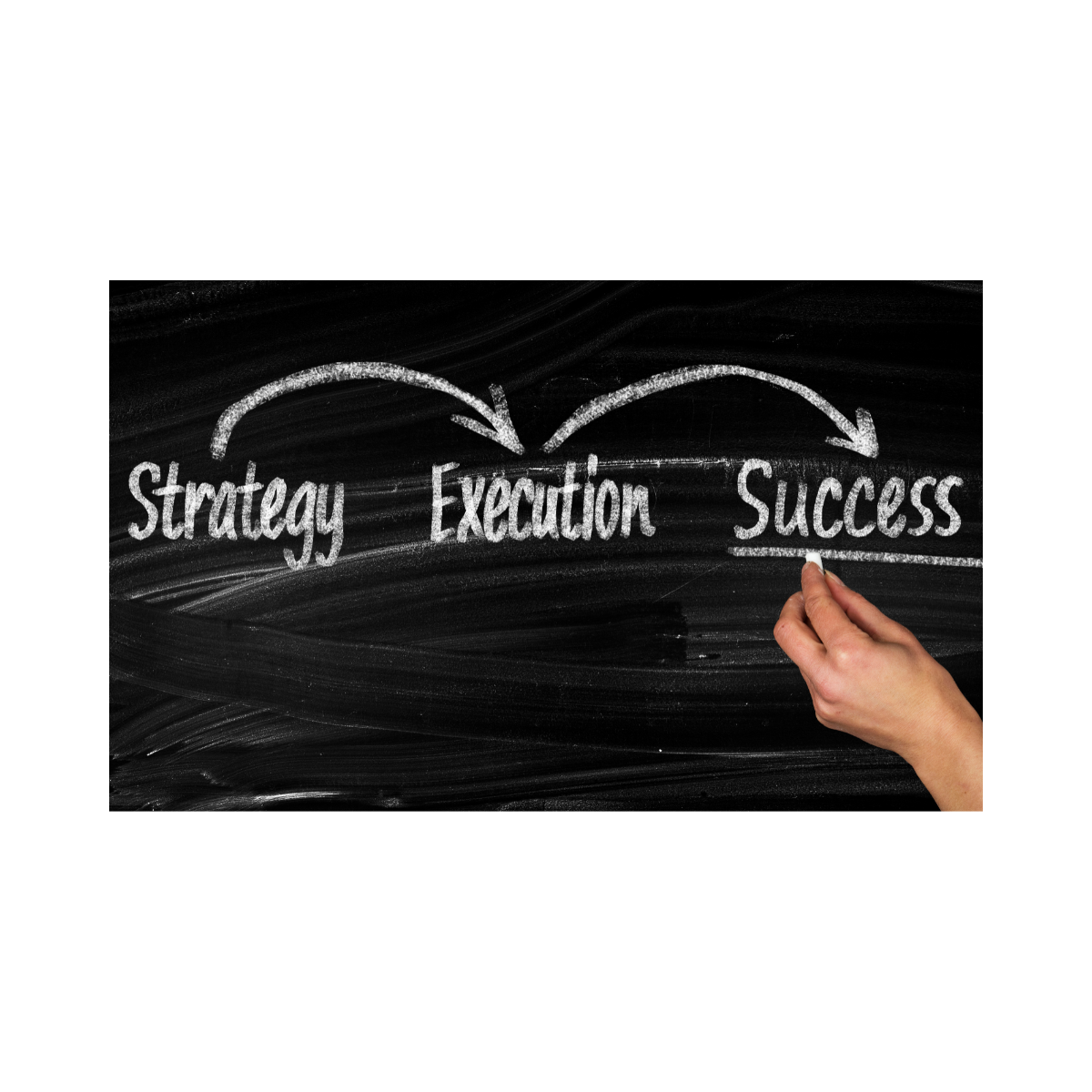
Lesson 1: Strategy Is Not a Set-and-Forget Exercise
Many SMEs started 2025 with strong intentions. Plans were documented. Goals were set. Budgets were approved.
And then reality stepped in.
Markets shifted. Costs rose. People left. Technology failed. Priorities changed. What surprised us wasn’t the disruption — it was how few businesses paused to review their strategy once the year was underway.
Strategy drift became one of the most common performance blockers we saw. Not because leaders didn’t care — but because review time was always pushed aside for “more urgent” work.
The SMEs that stayed on track did one thing differently: they revisited strategy deliberately, not reactively.
They asked:
- Are these still the right priorities?
- What are we doing now that no longer aligns?
- Where are we spreading effort too thin?
The lesson from 2025 is clear: strategy only works when it’s revisited under pressure — not just written in calm moments.
Lesson 2: Culture Shows Up When Systems Are Tested
Culture wasn’t tested this year when things were calm. It showed itself during disruptions, downtime, and difficult decisions.
We saw businesses where:
- teams pulled together despite pressure
- accountability remained strong during uncertainty
- leaders communicated clearly even when answers weren’t perfect
And we saw the opposite — confusion, disengagement, frustration, and quiet resentment.
The difference wasn’t perks or posters. It was clarity.
Strong cultures in 2025 were built on:
- clear expectations
- consistent leadership
- Consistent behaviour & practices
- fair and effective decision-making
- and rigorous follow-through when things went wrong
Culture didn’t solve every problem — but it often determined how quickly businesses recovered.
Lesson 3: Capability Gaps Are the Silent Growth Killer
One of the most consistent themes this year was businesses outgrowing their internal capability — without realising it.
This showed up as:
- Systems overload or weakness
- leaders drowning in decisions they shouldn’t be making
- HR carrying unsustainable workloads
- manual processes slowing execution
- key people becoming single points of failure
- Objectives not met
Capability gaps rarely announce themselves. They don’t look like crises — they look like friction.
The SMEs that made progress in 2025 were the ones willing to ask:
- Do our systems still match our size?
- Do our leaders have the capability required now — not two years ago?
- Are we relying too heavily on a few individuals to hold everything together?
The lesson: growth without capability investment always creates strain — on people and performance.
Lesson 4: Performance Issues Are Usually System Issues
A recurring shift we saw this year was leaders moving away from “who’s underperforming?” toward “what isn’t working?”
In many cases, performance problems traced back to:
- unclear processes
- inconsistent measurement
- lack of timely feedback
- shifting priorities
- or no shared definition of success/goals
Once those systems were tightened, performance often improved without additional pressure.
2025 reinforced a powerful idea: most people want to perform well — they just need clarity, support, and consistency.
Performance improves when:
- expectations are visible and clear
- progress is reviewed regularly
- feedback is timely
- and accountability is shared, not feared
Lesson 5: Data Matters — But Only When It’s Used Well
This year, more SMEs talked about data than ever before. Fewer talked about what they actually did with it.
The businesses that benefited from data didn’t chase complex dashboards.
They focused on insight.
They asked:
- What does this data tell us about decision-making?
- Where are we losing time, margin, or momentum?
- What should we stop doing based on evidence?
Used properly, data supported better conversations — not just better reports. The key lesson: data doesn’t replace experience — it sharpens it.
Lesson 6: Resilience Is Designed, Not Endured
Downtime, disruption, and uncertainty were part of 2025.
What differed was how businesses responded.
Some tried to push harder.
Others stepped back and redesigned.
The more resilient SMEs didn’t rely on endurance — they focused on:
- simplifying processes
- clarifying roles
- strengthening leadership capability
- and building systems that reduced friction
Resilience wasn’t about surviving longer. It was about recovering faster and learning sooner.
The Pattern That Linked Every Lesson
Across every topic — strategy, capability, performance, culture, data, resilience — one pattern kept emerging:
Performance improves when businesses are aligned.
Aligned strategy.
Aligned capability.
Aligned people.
Aligned performance systems.
This is why ChalonPC continues to work through the CPC Strategic Performance Framework:
Strategy → Capability → Performance underpinned by a strong Culture.
Not as a theory — but as a practical lens for real-world business decisions.
What This Means for 2026
The SMEs that will perform best in 2026 won’t necessarily be the most aggressive or ambitious.
They’ll be the most intentional.
Intentional about:
- what they focus on
- what they stop doing
- where they invest in capability
- how they support their people
- and how often they pause to review progress
If 2025 surfaced friction, pressure, or blind spots — that’s not failure. It’s insight.
Final Reflection
As the year closes, the most valuable question isn’t “What did we achieve?”
It is; What did this year teach us about how our business actually works?
Answer that honestly, commit to change — and you’ve already started building a stronger 2026.
At Chalon Performance Consulting, we help SMEs turn reflection into practical action — strengthening strategy, building capability, and embedding performance systems that support sustainable growth. If 2025 highlighted gaps or opportunities in your business, let’s use those lessons to shape a clearer, more confident year ahead.